Check out on Flora’s Table our overview of the Châteauneuf-du-Pape wine region and appellation, including its history, terroir, permitted grape varieties and winemaking practices.
Enjoy! 🙂

As a prelude to our next post in which we will temporarily leave Italy and review a French Châteauneuf-du-Pape wine, in this post we will provide a brief overview of the southern French wine region that goes by the same name, including its history, terroir, permitted grape varieties and winemaking practices.
In General
Châteauneuf-du-Pape is an area encompassing 3,200 HA of vineyards that is located in the southern part of the Rhône Valley, in France, between the towns of Orange (to the north) and Avignon (to the south).
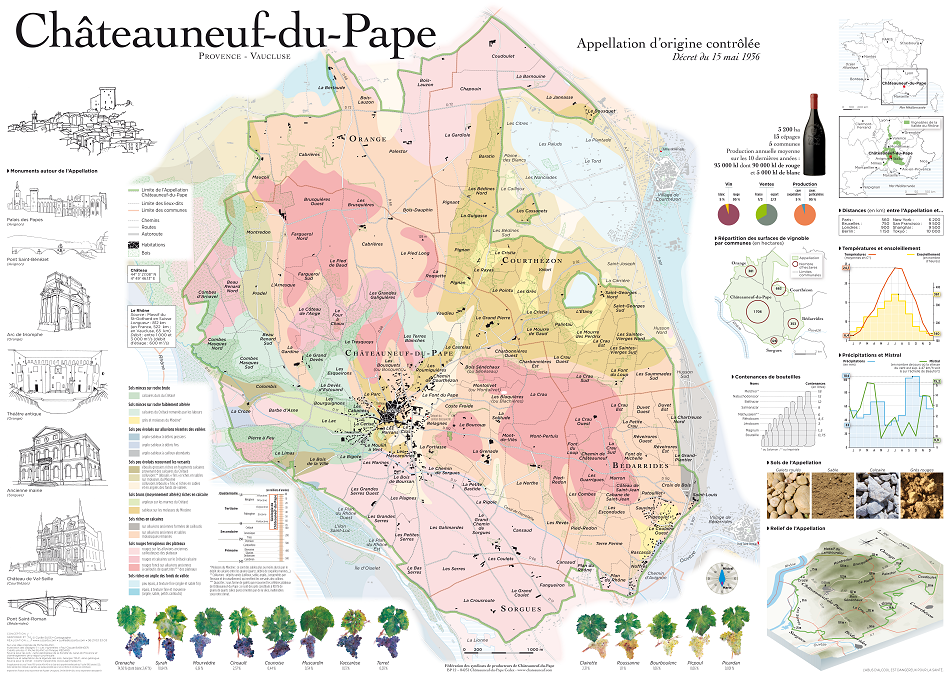 Châteauneuf-du-Pape Appellation Map – Courtesy of Fédération des syndicats des producteurs de Châteauneuf-du-Pape
Thirteen different grape varieties are authorized in the Châteauneuf-du-Pape vineyards, with Grenache, Syrah and Mourvèdre (the so-called “GSM“) being the dominating varieties, as well as the traditional core grapes in the Châteauneuf-du-Pape blend (see below for more information about these grape varieties). Other permitted varieties include Cinsaut
View original post 1,178 more words
 Today’s grape in the limelight of our Variety Show is Primitivo, a black-berried grape variety that has sparked a long-lasting controversy as to whether it is the same variety as Zinfandel or a different one.
 Today’s grape variety in the spotlight is… Aglianico, together with its clone Aglianico del Vulture.
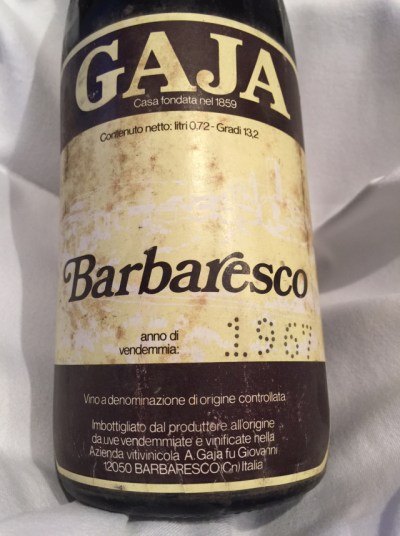 The wine we are going to review today was certainly quite a treat: last month, my good friend Anatoli (who pens the

 Clicks & Corks